Drain Repairs vs Drain Relining: Which Do You Need for Your Dorset Drain?
When it comes to maintaining your home’s drainage system in Poole or the wider Dorset area, knowing how to address damaged drains is crucial. Whether your drain has cracks, blockages, or leaks, choosing the right repair method can save you time, money, and disruption. Two of the most common approaches are traditional drain repairs involving excavation and the more modern no-dig drain relining technique.
Understanding the differences between these options helps homeowners make informed decisions based on the extent of the damage, property location, and budget considerations. In this article, we’ll explore the benefits and drawbacks of both methods and offer guidance tailored to local properties across Poole, Bournemouth, Wimborne, and beyond.
What Is Traditional Drain Repair?
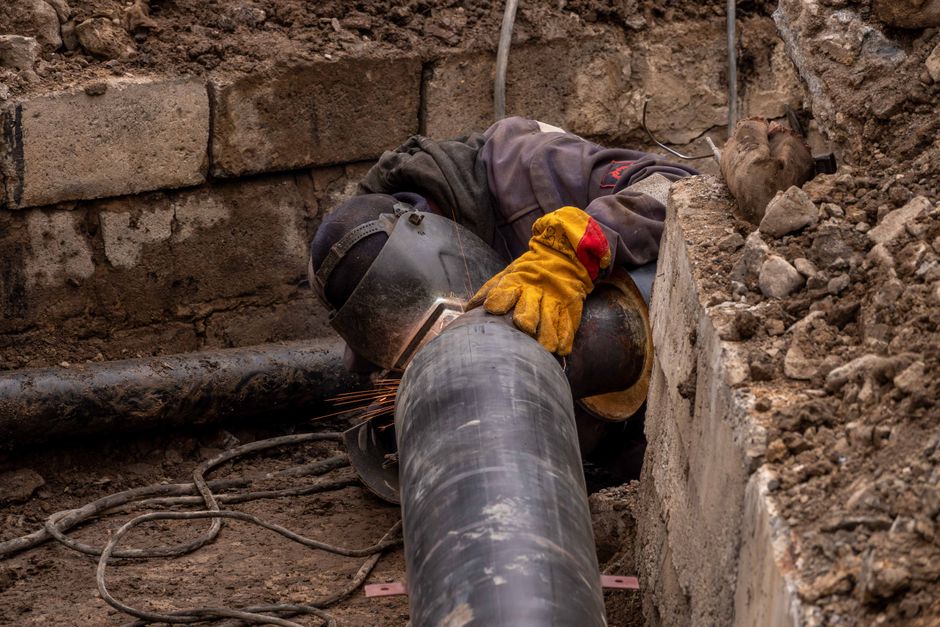
Traditional drain repair typically involves excavating the affected area to access the damaged pipe directly. This approach allows drainage specialists to remove broken sections, replace pipes, or unblock drain lines by physically digging down to the problem.
In Dorset, where many older homes and properties in towns like Broadstone or Corfe Mullen have drainage systems laid decades ago, excavation remains a common fix. The process can involve significant disruption to your garden, drives, or pathways, especially if the drain lies beneath hard landscaping.
Despite the disruption, traditional repairs offer the advantage of direct visual inspection and replacement of severely damaged pipe segments. This can be necessary if the drain has collapsed or suffered extensive root intrusion, common in areas with older tree growth like Upton or Lytchett Minster.
What Is Drain Relining?
Drain relining is a no-dig solution that repairs damaged drains by inserting a resin-coated flexible liner into the existing pipework. The liner is inflated inside the pipe, curing to form a new, seamless inner surface that restores the drain’s integrity without excavation.
This technique is ideal for households in Poole, Wareham, and nearby suburbs with limited outdoor space or where digging would cause too much disruption. It is particularly useful for fixing cracks, leaks, and minor collapses without altering the external landscape.
Relining can often be completed within a day and usually requires only small access points at manholes or inspection chambers, making it a less invasive alternative to traditional methods.
Pros and Cons of Traditional Drain Repairs
One major benefit of traditional repairs is the ability to fully replace damaged pipe sections, which is ideal for severe damage that can’t be fixed by relining. Homeowners in areas like Hamworthy or Canford Heath with older clay pipe systems may find this approach necessary when pipes are extensively deteriorated.
However, the excavation required means considerable disruption to your property, which often results in the need to restore gardens, driveways, or patios after the work is done. This can increase the overall project cost and duration, especially if your home is in a densely built area like Sandbanks or central Poole.
Another consideration is that traditional repairs require more labour and heavy machinery, potentially leading to higher initial costs and a longer time to restore your drainage system fully.
Pros and Cons of Drain Relining
Drain relining is less disruptive, usually quicker, and can be more cost-effective for minor to moderate damage. For many homes in Dorset’s residential suburbs like Wimborne or Broadstone, relining allows for efficient repair without major disturbance to outdoor spaces.
Since the liner acts as a new pipe within the old one, it often improves structural strength and reduces future leaks. It’s also environmentally friendly by reducing waste and avoiding extensive digging.
That said, relining isn’t suitable for pipes that are completely collapsed or where sections are missing. It also requires that the drain be relatively free of heavy blockages beforehand, so sometimes preliminary clearing is necessary.
How to Decide Which Method Suits Your Drain
The best choice depends largely on the nature and extent of the damage. If a CCTV drain survey identifies significant collapse, root invasion, or missing sections, traditional excavation repair may be the only viable option.
For cracks, leaks, or minor deformation in pipes—common problems in many Poole and Dorset homes—relining offers a less disruptive fix that restores function effectively.
Professional drainage contractors in the local area typically recommend starting with a CCTV inspection. This allows them to assess your drain’s condition accurately and advise on whether relining or repair is the most appropriate solution based on your property’s layout and drainage system.
Local Considerations for Drain Repairs in Poole and Dorset
Many properties in Dorset feature older drainage infrastructure, often made from clay or cast iron, which requires sensitive handling during repair. Areas like Corfe Mullen and Wimborne may have environmental restrictions or shared drainage systems, so understanding local planning regulations is important.
Weather and soil conditions in Dorset can also affect drainage problems. Heavy rainfall in the region can exacerbate cracks or leaks, making timely repair essential to avoid flooding or water damage in homes across Hamworthy and Upton.
Finally, access challenges in tightly packed residential zones like Canford Heath or historic parts of Poole town might favour less invasive options such as drain relining to minimise impact on neighbours and preserve property aesthetics.
What to Expect During Repair or Relining Work
If you choose traditional repair, expect some excavation, which could last several days depending on the complexity. Contractors will dig up the affected area, replace or repair pipe sections, then backfill and restore the surface. You might need to temporarily reroute water or avoid using outdoor taps during the work.
For relining, the process involves cleaning the drain thoroughly before feeding the resin liner through an access point. Once inflated and cured, the liner seals the pipe internally. This process is usually completed in less than a day, with minimal noise and disruption.
In either case, a follow-up CCTV inspection often confirms that the repair has been successful, providing peace of mind that your drainage system is restored properly.
Maintaining Your Drain After Repairs or Relining
Regular maintenance is key to prolonging the life of your repaired or relined drains. Avoid flushing inappropriate items down toilets or sinks, and clear external drains of leaves and debris, particularly in autumn throughout Dorset’s leafy suburbs like Broadstone.
Scheduling periodic CCTV surveys every few years can help identify early signs of damage before they worsen, offering a chance to take preventive action that could avoid costly repairs.
Additionally, managing tree roots around your property in places like Wareham and Lytchett Minster can prevent root intrusion, one of the most common causes of pipe damage in the area.
Need a drainage expert in Poole?
Call 01202 986990